
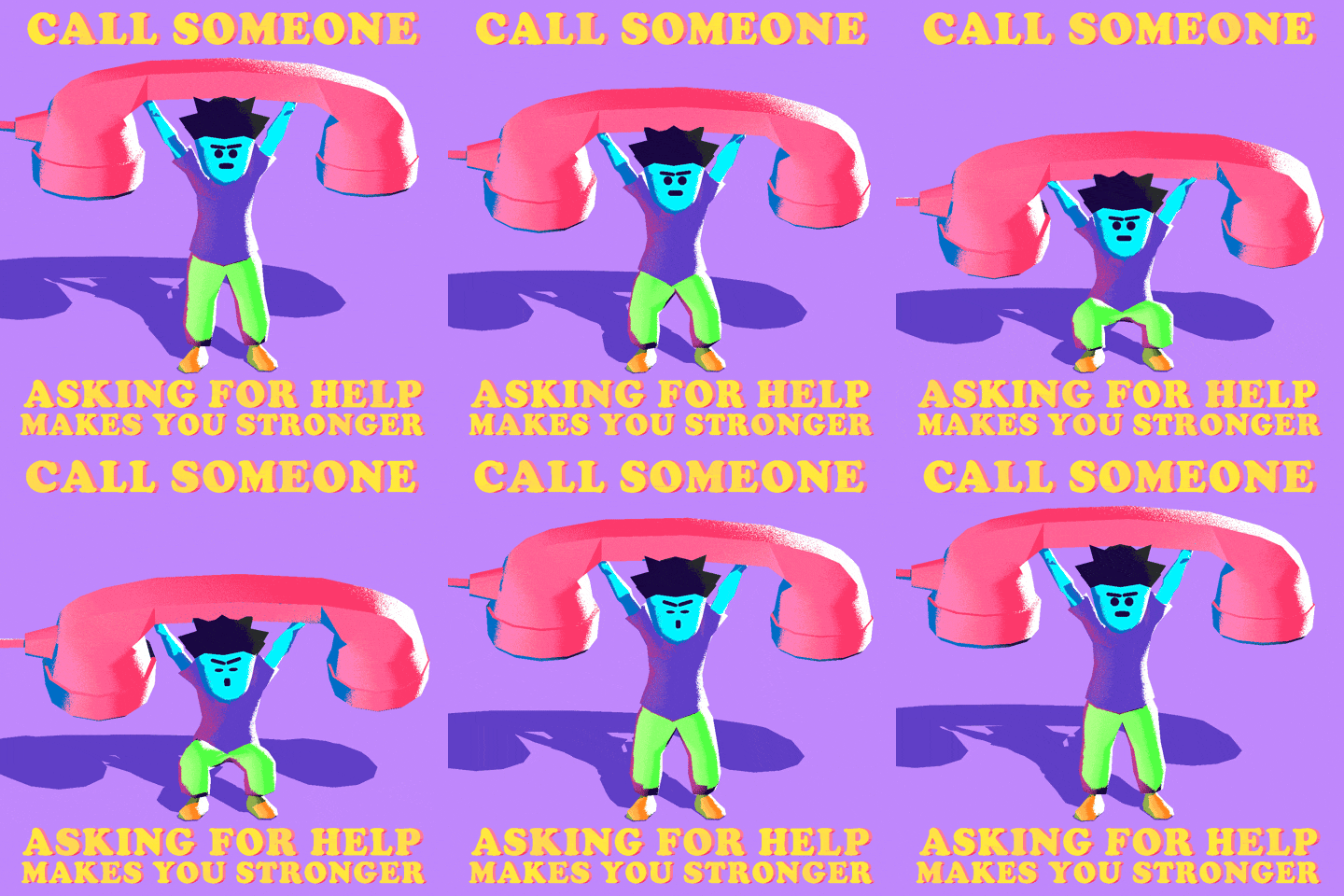
One of the hardest things about asking for help is feeling like you are undeserving of that help. Many people feel like their pride stopped them from reaching out and asking for help that they desperately need. There are also factors such as stigma and feelings of weakness that hinder people from reaching out to others. The thought of independence has been so deeply rooted within American society, that it inadvertently causes people to sacrifice opportunities that could benefit their lives. In this culture, there is always the question of “why did I put myself through this”. The guilt and shame builds and compiles until people are in a situation that they couldn’t fathom to be in. This cycle compounds and leaves people helpless without support.
Asking for help takes courage because a person has to address all the stigma and negative feelings surrounding it. Reaching out takes vulnerability and the ability to admit that “I cannot do this alone”. There is nothing wrong with that sentiment, however, people have the notion in their heads that they alone must shoulder the responsibility instead of opening up to others. As people, we underestimate others’ willingness to help us because within ourselves, we are unsure of whether or not we would reach out and give help. It’s a perpetual cycle that enforces the notion that there isn’t anyone out there willing to help, which is simply wrong. It was found that many people respond to others in their most vulnerable state with humility and gratitude that they have been trusted. It takes one person to reach out, whether it’s the party that needs help or the person on the other side that recognizes the need and advocates for that individual.
